
10 Practical Smart Home Automation Ideas to Save Energy and Boost Security
Published on | Category: Smart Technology & Home Automation
Introduction: Moving Beyond Simple Voice Commands
While toggling a light bulb with a smartphone or asking a voice assistant to play music is convenient, true home automation occurs when your living space reacts intelligently without manual intervention. By configuring conditional logic triggers—such as motion, time of day, presence detection, and temperature changes—your smart home can work passively to protect your property and cut utility costs.
Energy-Saving Smart Home Automations
HVAC systems and phantom power consumption represent significant portions of household energy bills. Implement these automated routines to reduce waste:
- Geofenced Thermostat Setbacks: Program your smart thermostat to switch to eco-mode automatically whenever smartphone geofencing detects all household members have departed.
- Presence-Based Lighting Shutoffs: Pair motion or presence sensors in low-traffic rooms (such as garages, pantries, and laundry rooms) to automatically extinguish lights after 5 minutes of inactivity.
- Solar-Synchronized Window Shades: Automated motorized blinds can lower during hot peak afternoon hours to decrease cooling demand, opening up in winter months to capture passive solar warmth.
- Smart Plug Vampire Power Elimination: Shut off power strips supplying home entertainment centers or desktop setups overnight using schedule-based smart plugs.
Smart Security & Perimeter Defense Automations
Integrating sensors with smart locks and lighting creates a proactive deterrent system when you are away or asleep:
- Simulated Away Occupancy: When set to "Away" mode, schedule interior lights to turn on and off at randomized intervals to mimic natural occupancy and deter potential intruders.
- Motion-Triggered Perimeter Floodlighting: Configure outdoor security cameras or outdoor motion detectors to trigger high-intensity patio and driveway lights to 100% brightness upon detecting night movement.
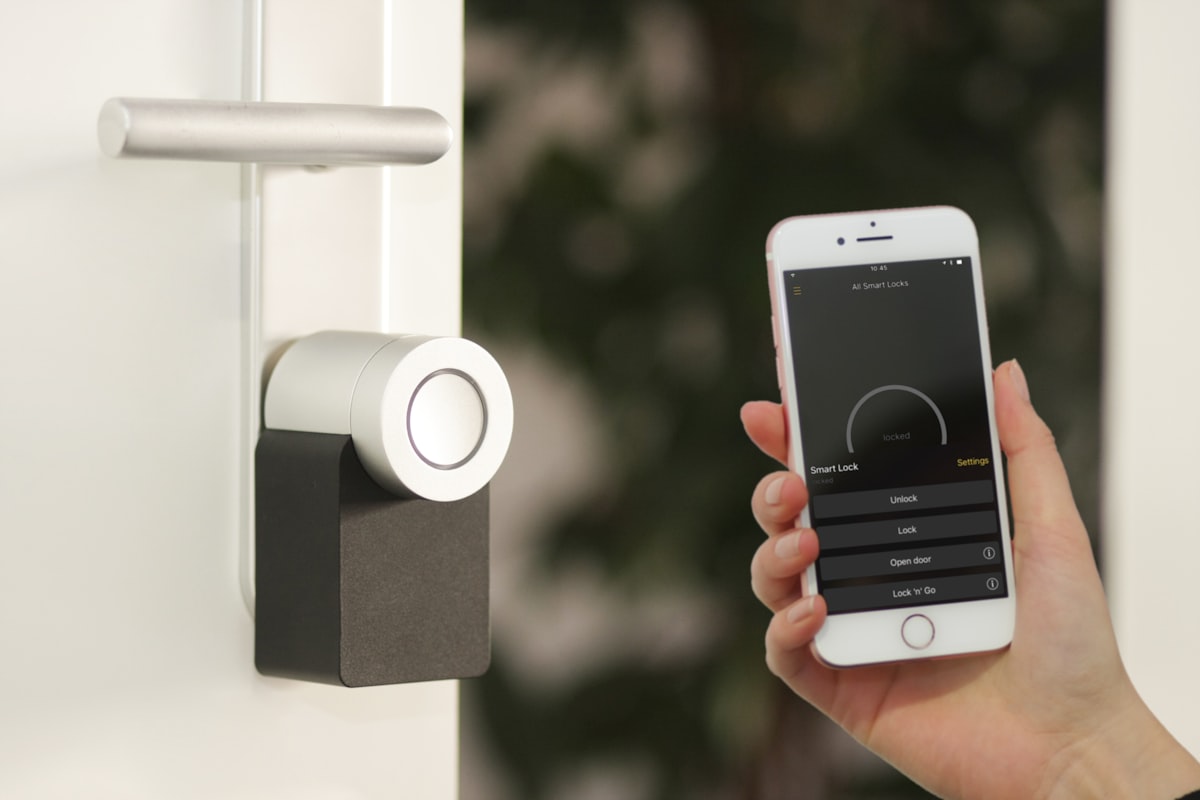
- Automatic Nighttime Door Locking: Establish a bedtime routine that verifies all smart deadbolts are locked and garage doors are fully closed at 11:00 PM every night.
Setting Up the Required Hub Architecture
Executing complex multi-device routines requires a solid hardware foundation and proper network pairing. If you are starting from scratch or looking to resolve protocol compatibility issues between Matter, Zigbee, Z-Wave, or Wi-Fi devices, review our detailed guide on How to Set Up Smart Home Automation for Beginners.
Daily Convenience & Lighting Routines
Enhance morning and nighttime comfort with these seamless automated scenes:
- Circadian Rhythm Lighting: Adjust smart bulb color temperatures automatically throughout the day—bright cool white during daylight hours to boost focus, transitioning to warm dim amber in the evening.
- Gentle Sunrise Wake-Up Routine: Slowly fade bedroom lights up from 1% to 100% over a 20-minute window prior to your morning alarm.
- Low-Light Nighttime Pathway: Configure hallway and bathroom motion sensors to activate dim, low-kelvin nightlights (at 10% brightness) between midnight and 6:00 AM.
Key Takeaways:
- Start with High-Impact Pain Points: Target heating, cooling, and lighting first for immediate energy bill savings.
- Rely on Sensors Over Manual Controls: Motion, contact, and presence sensors provide seamless hands-free triggers.
- Ensure Hub Compatibility: Choose devices using universal standards (like Matter or Zigbee) to prevent ecosystem lock-in.
Conclusion & Final Summary
Smart home automation delivers maximum value when routines operate quietly in the background. By implementing targeted energy-saving automation scenes, automated security triggers, and adaptive lighting schedules, you create an efficient, secure living environment that adapts effortlessly to your daily lifestyle.